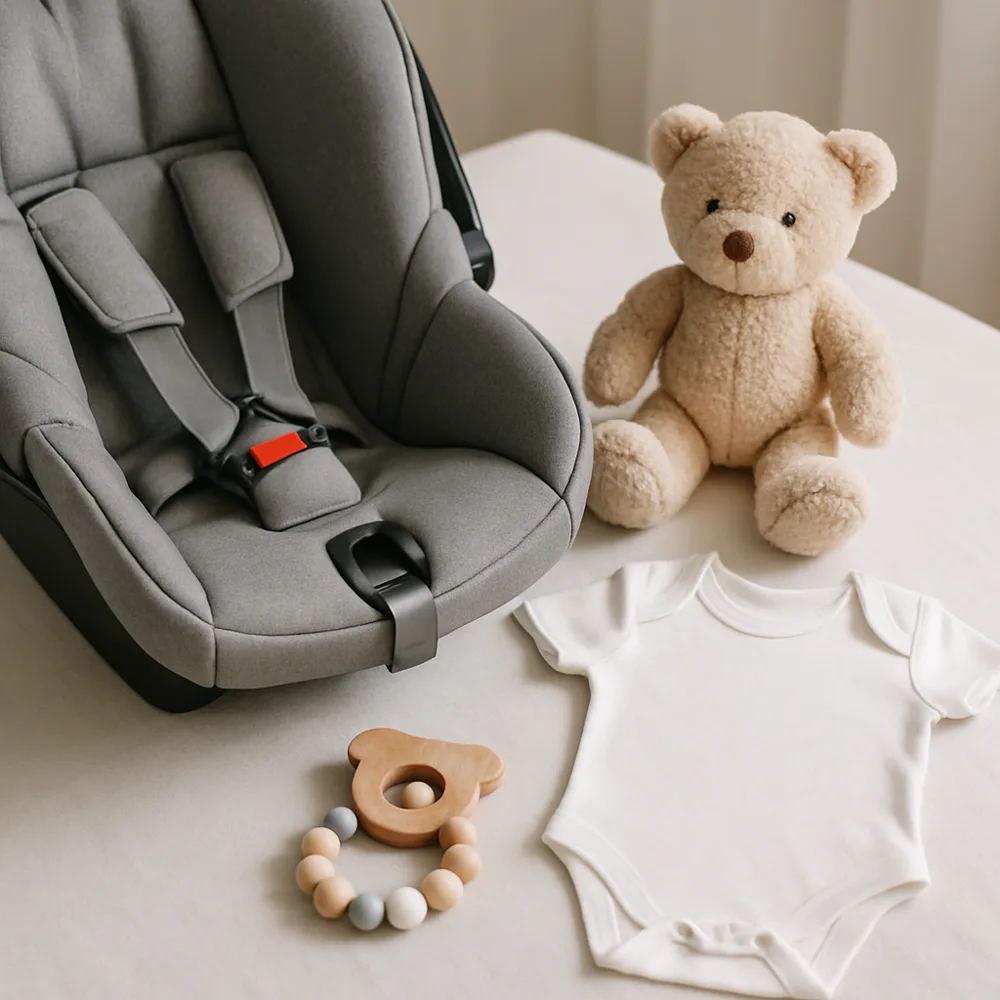
The best stroller for your family depends less on a feature count than on where you plan to use it. Think about sidewalks, transit, stairs, narrow shop aisles, rough paths, and the size of your car trunk. A compact model may suit frequent public transport, while larger wheels can make uneven routes easier to navigate. If possible, test folding and unfolding it yourself before deciding.
Check the stroller's weight, folded dimensions, handle height, brake access, and basket capacity. Consider whether you can lift it safely and whether it fits through the doors you use most. A reversible seat, adjustable recline, or compatible infant car seat may be useful for some households, but each feature adds trade-offs in weight, complexity, or cost. Read the manual to understand the child's age, size, and positioning requirements.
Inspect the harness, locking mechanism, wheels, and brakes, and register the stroller so you can receive safety notices. Keep bags off the handle unless the manufacturer says it is safe; extra weight can affect stability. Never leave a child unattended in a stroller, and use the restraint as instructed. The right choice is one you can handle confidently on your regular routes, not simply the one with the longest feature list.