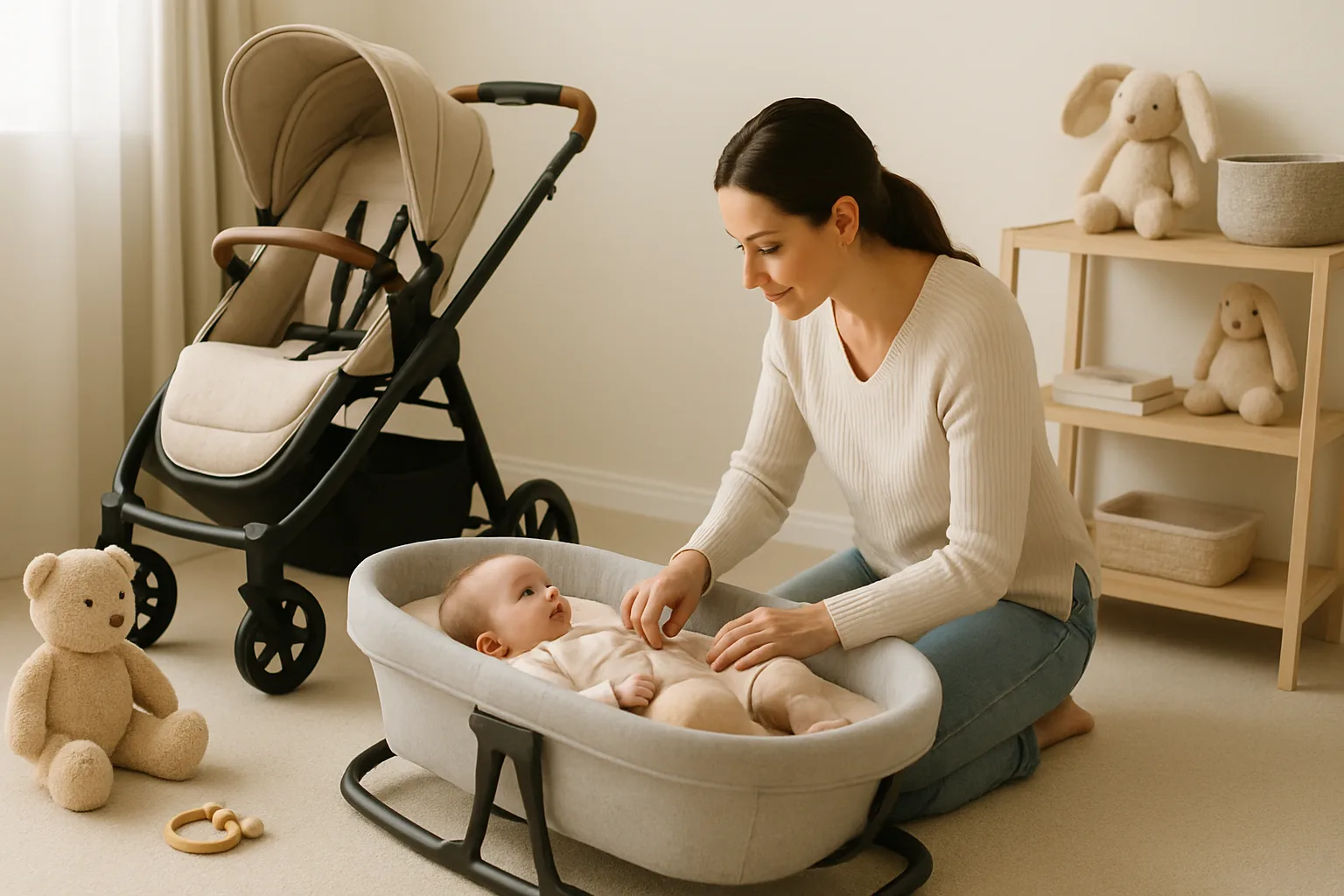
A useful nursery begins with a few dependable functions: a safe sleep space, somewhere to store clothes and supplies, and a comfortable spot for caregivers to sit if needed. You do not have to fill every wall or buy matching furniture. Before choosing larger pieces, measure doorways, walkways, and the area around the crib so daily tasks remain manageable.
Keep the crib clear of decorations, cords, and anything that could fall or be pulled into the sleep area. Secure heavy furniture to the wall according to its instructions, and keep window blind cords well out of reach. Choose storage that lets you see what you have; open baskets can help organize diapers and clothes, but small items should be kept away from the baby. A dimmable light outside the sleep space may make nighttime care easier.
Consider how the room will change as your child grows. A few flexible storage bins can be more useful than specialized organizers, and washable surfaces can reduce cleanup stress. Place frequently used items where an adult can reach them without leaving a baby unattended on an elevated changing surface. A nursery does not need to be complete before the baby arrives. Start with safety and daily function, then adjust the layout based on what your family actually uses.