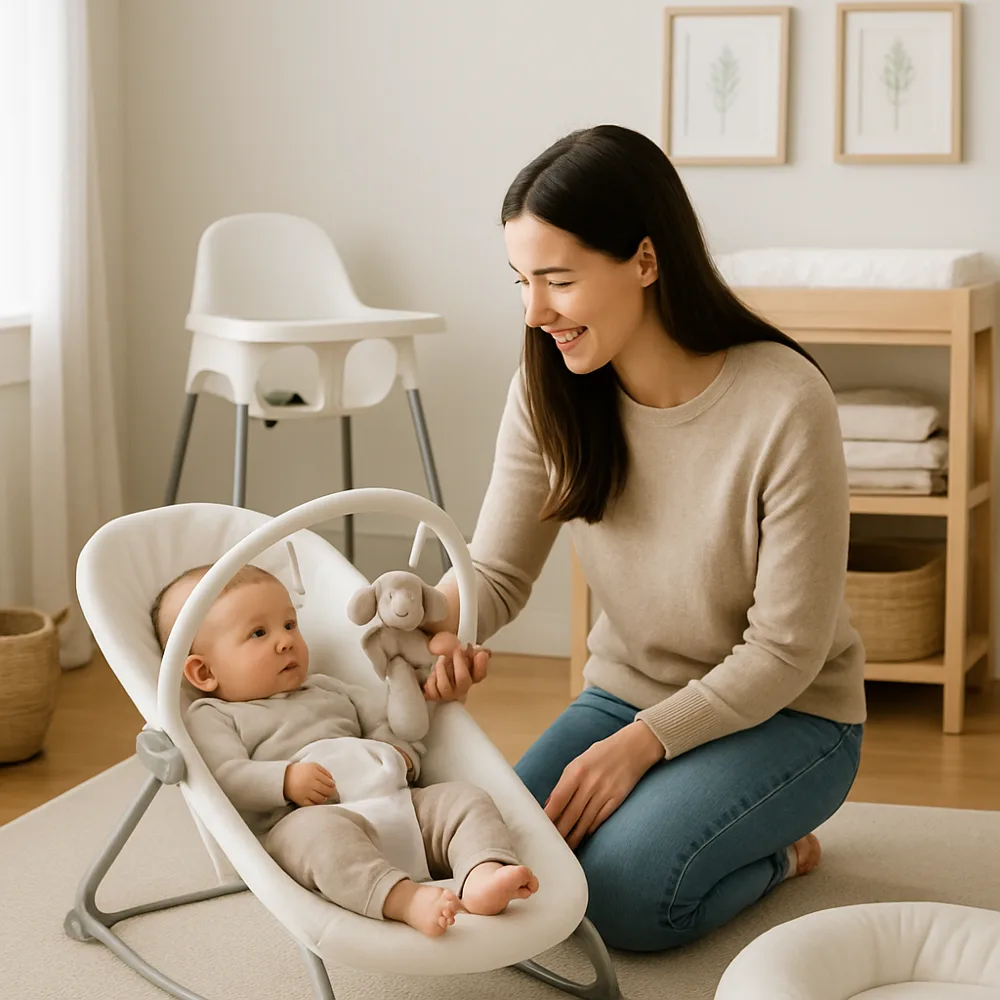
Choosing clothes for a baby can feel uncertain when the weather changes throughout the day. Breathable layers make it easier to adjust between a cool morning, a warm room, and outdoor time. Consider the conditions where your baby will actually be, including indoor heating, shade, wind, and how long you will be outside. Soft fabrics and easy fastenings can make quick changes less stressful.
Check your baby's chest or back to get a better sense of overall warmth; hands and feet can feel cool even when the baby is comfortable. Remove a layer if the baby seems too warm, flushed, or sweaty, and seek medical advice if you are concerned about temperature or illness. In a car seat, bulky coats and snowsuits can interfere with harness fit. Secure the harness snugly over normal clothing, then place a blanket over the straps if extra warmth is needed.
For sleep, dress your baby in clothing appropriate to the room and use a correctly sized wearable blanket if desired. Avoid loose blankets and overheating. Hats and outdoor layers should be removed indoors unless a clinician has recommended otherwise. Check clothing regularly for loose buttons, drawstrings, or decorations that could create a hazard. There is no single outfit rule for every home or climate; observe your baby's comfort and follow guidance from trusted health sources.