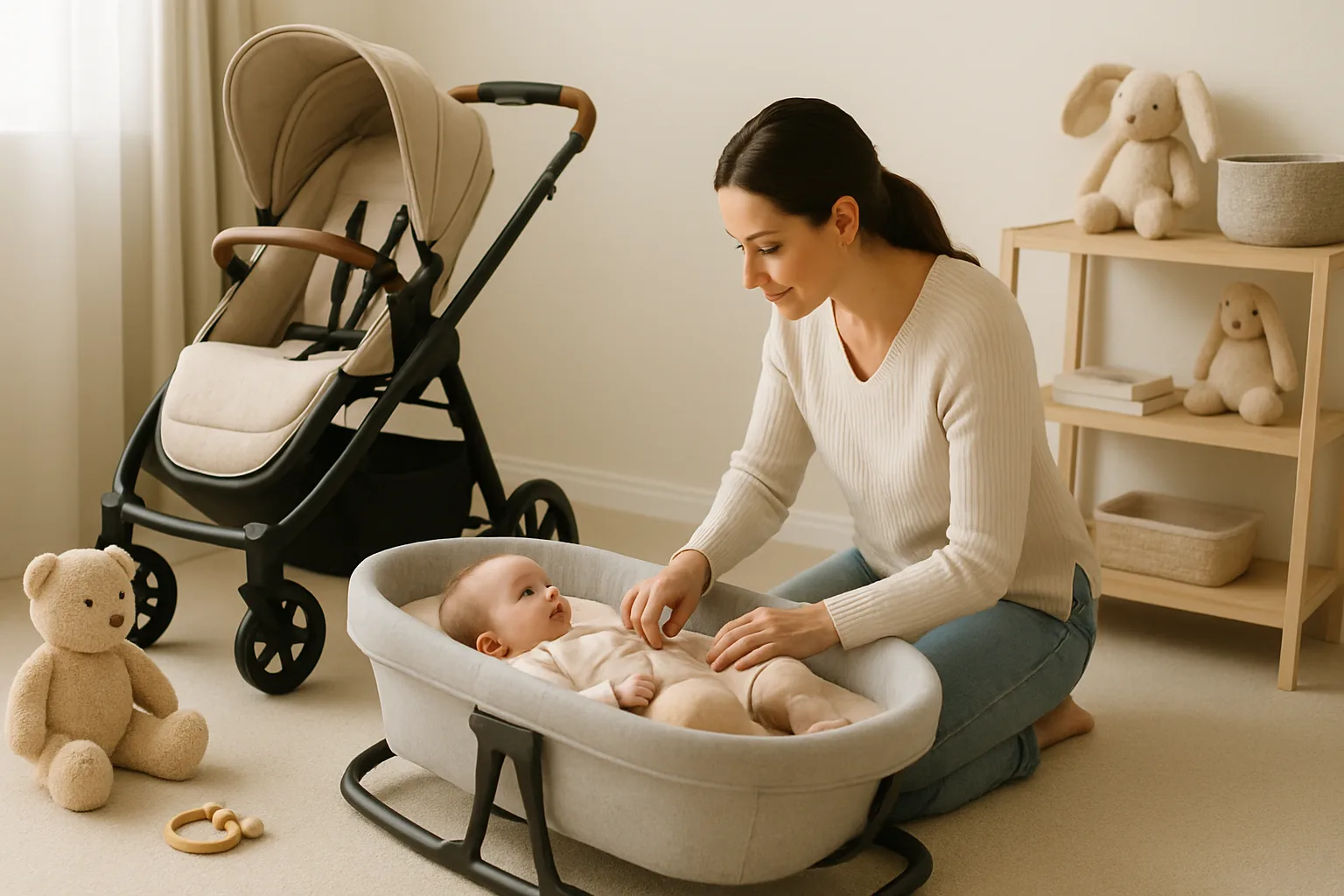
Secondhand baby gear can be a practical choice, but start by identifying the exact brand, model, and manufacture date. Look up current recalls and confirm the product meets safety requirements where you live. Ask for the instruction manual, check whether all original parts are included, and learn the item's history. If the seller cannot identify the model or answer basic questions, consider choosing another product.
Inspect the item in good light for cracks, rust, frayed straps, missing fasteners, or signs of an improvised repair. Make sure moving parts lock and release as intended, and compare the product with its manual. Avoid products that are damaged or have unclear safety histories. Be especially cautious with car seats, whose safety can depend on crash history, expiration dates, and manufacturer requirements, and with sleep products that may not meet current standards.
Do not assume an older item is safe because it looks sturdy or was used by someone you trust. Clean it only as the manufacturer directs, since some methods can weaken materials or remove labels. If replacement parts are needed, use only approved parts for that model. When the cost of verifying an item's safety is too high, a new or different product may be a simpler option. A careful check before purchase can help you avoid gear that is incomplete, recalled, or unsuitable for your baby's stage.