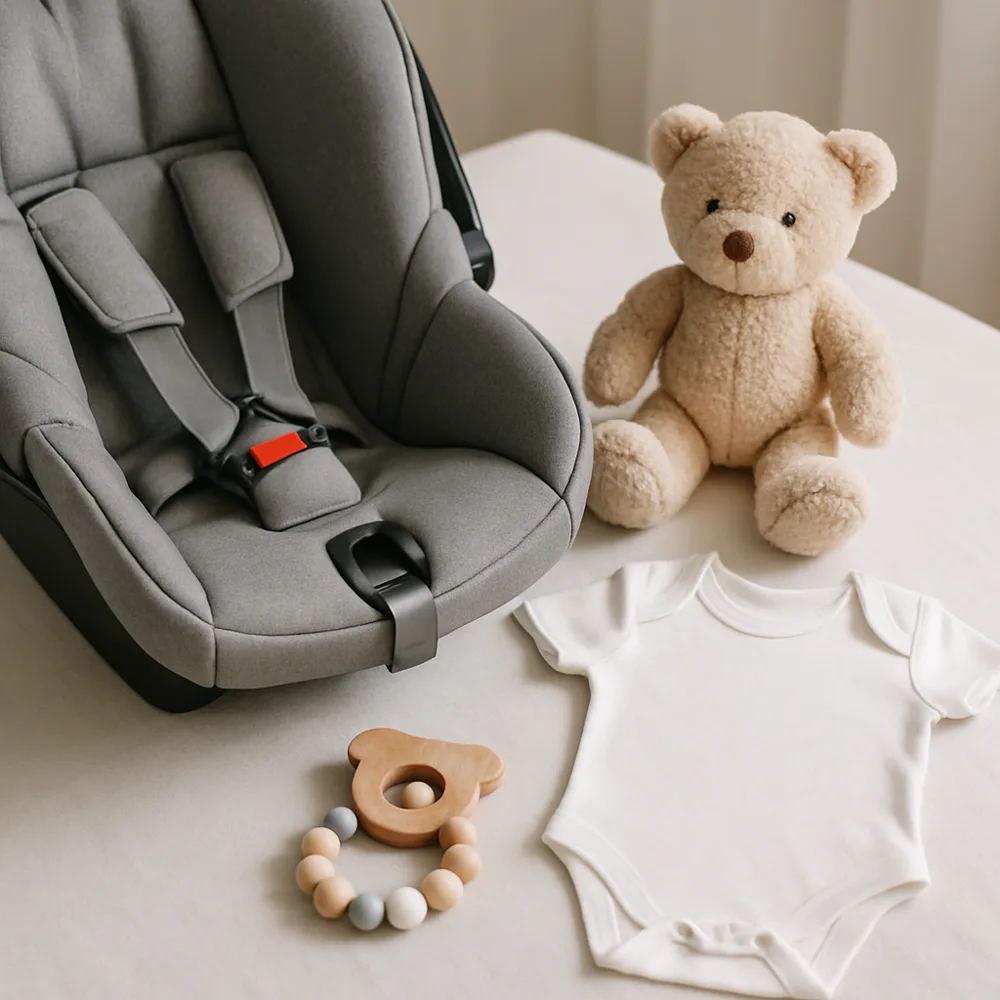
Cleaning routines are easier when they follow the product manual instead of a one-size-fits-all method. Check care labels for stroller fabrics, carrier panels, high-chair straps, and changing pads before washing or applying a cleaner. Some items have removable covers; others should be wiped only with specified products. Harsh cleaners, excess moisture, or heat can damage materials and affect how parts work.
Focus on surfaces babies touch often, such as feeding equipment, tray surfaces, and toys used during floor play. Wash hands before preparing feeds, and clean bottles and pump parts according to current public health guidance and the manufacturer's directions. Let cleaned items dry fully before storing them. For toys, follow age guidance and cleaning instructions, particularly if a toy includes batteries, fabric, or small components.
Check gear during cleaning for loose stitching, cracked plastic, damaged straps, or parts that no longer attach securely. Cleaning does not repair a product or make a recalled item safe; check notices separately. Store equipment in a dry place and keep cleaning chemicals locked away from children. A short, regular inspection can catch problems early and prevent a large cleaning task from building up. Choose a routine that is realistic for your household, and ask a healthcare professional about additional precautions if your baby has specific medical needs.